


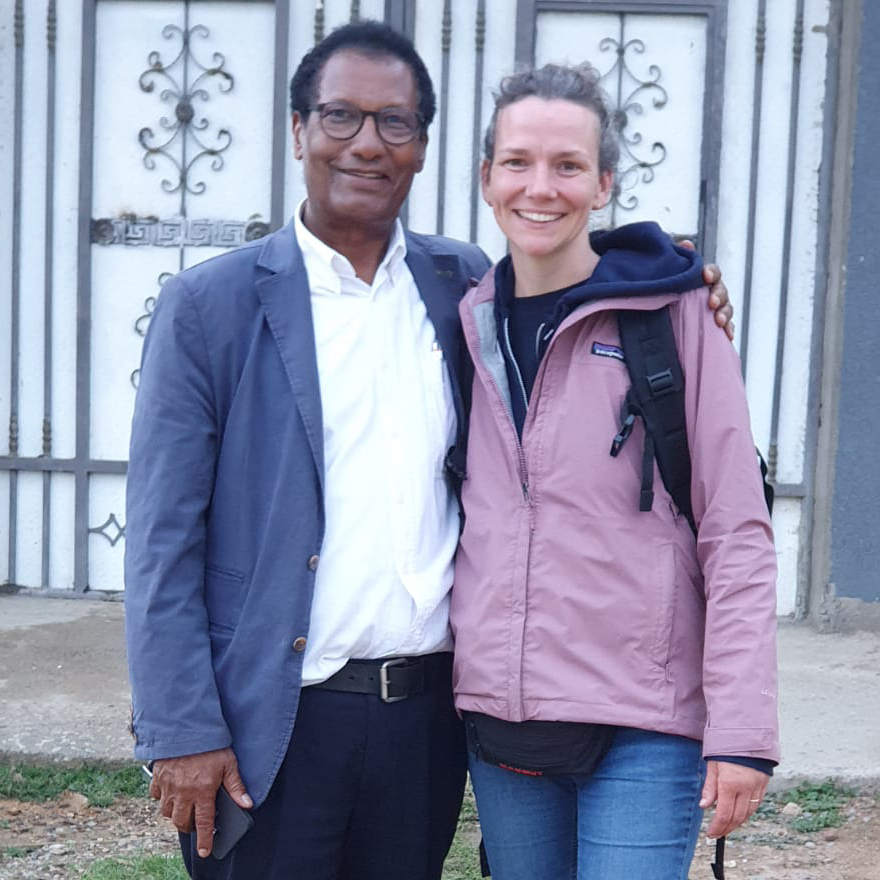
In April 2024, an emergency pedagogy team from the Friends of Waldorf Education travelled to Adua, near the Eritrean border, to support those affected by the conflict through emergency and trauma pedagogical initiatives, making a stop in Hawzien – much to the benefit of the two schools located there. During their three-day stay, the team spontaneously organized a workshop in emergency and trauma pedagogy, attended by teachers, students, and some parents. The aim was to stimulate discussions about feelings and experiences related to trauma and to provide the community with a platform to express themselves and begin the process of healing.
The community’s response was overwhelmingly positive. Participants expressed immense joy and relief at receiving support from people from Europe and other African nations after enduring two years of brutality and suffering. Their presence symbolized new hope and helped them believe that peace had finally returned to the region.
Given the strong response to the first visit, a larger and more diverse team of the Friends returned in the second week of July 2024. The focus during this visit was on the morning sessions with 600 children, offering a range of emergency and trauma pedagogical activities. In the afternoons, the team also provided training in Waldorf education for pedagogues, which was very well received. Both the team and the school staff shared traditional coffee ceremonies and lunches, which fostered a stronger sense of community and helped build trust, making collaboration more effective for everyone.
In addition to the above initiatives, the Emergency Pedagogy department of the Friends of Waldorf Education funded a summer school programme. This programme built on the content delivered during the team’s first two weeks at the school and ensured continued support for participants and pedagogues in the field of education.
At the end of September 2024, another visit took place, continuing into early October. Many previous participants joined the team again, along with new members. The group continued repairing the playground, and the two kindergarten classrooms were repainted. Boards, chairs, and tables for the seventh and eighth grades, damaged during the war, were also repaired. The aim of these repairs was to provide young people with opportunities for healing – both external (the school) and internal (the students) – while fostering self-efficacy and resilience. In addition, the pedagogical training initiated in July continued, focusing on classroom management and kindergarten support.
The fourth and final visit took place in early December 2024, during which the work carried out so far was completed and previous training sessions were evaluated. All chairs, tables, and boards are now fully usable. At the end of the visit, participants took part in a tree-planting ceremony, contributing to the reforestation of the school grounds.
The visits of the emergency pedagogy teams to Hawzien represent significant steps in the ongoing post-war reconstruction process. Through infrastructure repair, the implementation of Waldorf pedagogy workshops, and training in emergency and trauma pedagogy, the team improved both the school environment and the pedagogical skills of the educators. The collaborative work fostered a sense of community and provided parents with opportunities to support their children’s education. Initiatives such as the summer school help lay the foundation for a resilient and evolving educational community in Hawzien, promoting healing and hope after the conflict.
Dr. Atsbaha Gebre-Selassie
Given that the consequences of the war and the economic situation continue to affect daily life in Hawzien and Tigray, the Emergency Pedagogy department of the Friends of Waldorf Education plans to continue supporting the school in 2026. In addition to financial support for food security, further training seminars will be offered.